Have you ever felt better after a walk by the sea, a swim, or simply spending some time looking at the horizon?
That feeling may be more than anecdotal. In recent years, researchers have been looking at how time around seas, lakes and rivers relates to our mental wellbeing.
There is a popular name for this relationship: Blue Mind.
What is Blue Mind?
Marine biologist and author Wallace J. Nichols introduced the concept to a wider audience with his book Blue Mind, published in 2014.
Blue Mind describes the calm, focused state in which we can feel more connected to our surroundings when we are in, on or near water.
In scientific research, these environments are generally described as blue spaces. Seas, lakes, rivers and other water environments fall within this definition.
Blue Mind is not a medical diagnosis or a formally defined scientific state. But the question it raises is getting more attention: how does being close to water affect our mental health and everyday lives?
You do not have to get in
You do not necessarily need to swim to benefit from water.
Walking by the sea, sitting on the shore or watching the water can also be part of the experience.
In a field study involving 59 adults, participants were assessed under different conditions: walking beside the sea for 20 minutes, walking in an urban setting, or resting indoors. The seaside walk was associated with more positive outcomes for mood and wellbeing.
This finding is a reminder that water is more than a setting for exercise. Sometimes simply being near it can change our experience.
But a single study does not mean everyone will experience the same effect within 20 minutes. Personal preferences, the characteristics of the environment and our mood that day can also shape the experience.
What about when we get in?
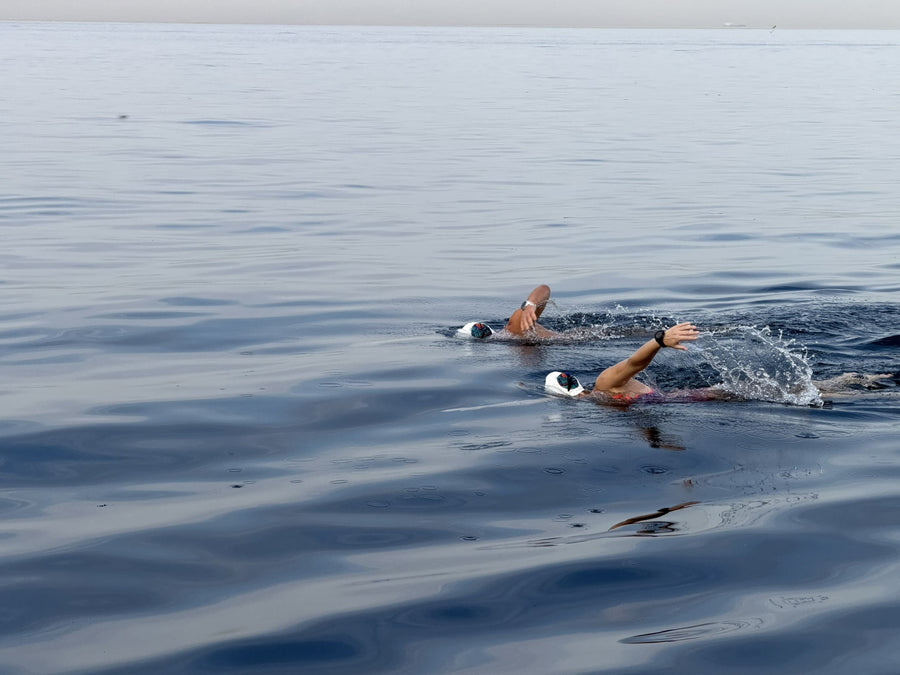
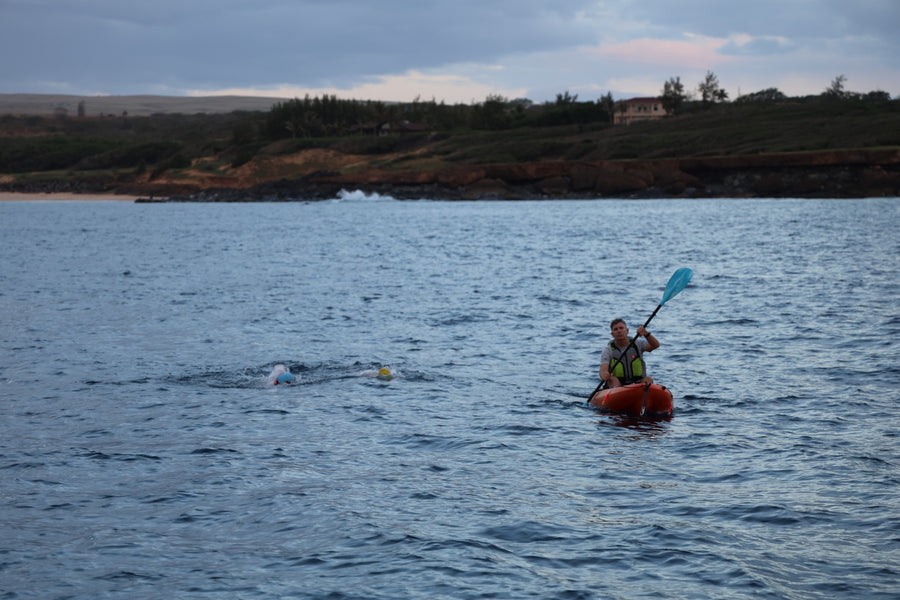
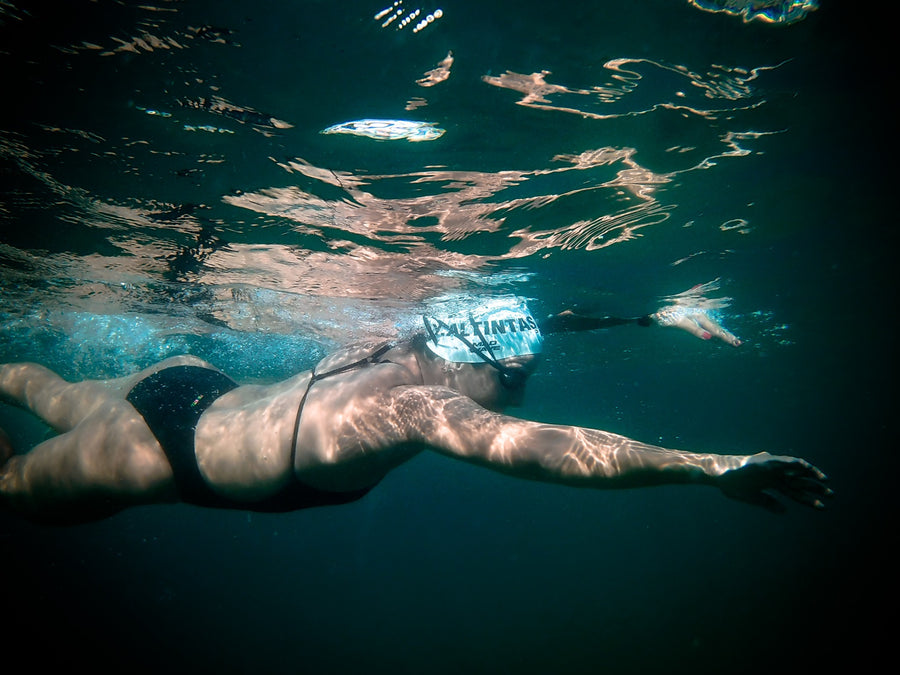
Research into open-water swimming also explores the psychological effects of being in the water.
A research review published in 2023 found that open-water swimming may be associated with more positive mood and psychological wellbeing. Some studies reported reductions in tension, anger, fatigue and symptoms of anxiety.
However, much of the research is observational and involves small numbers of participants. There is therefore insufficient evidence to say that open-water swimming treats depression or anxiety.
Even so, the findings suggest that the feeling many swimmers describe after leaving the water deserves further investigation.
Why do we feel good?
There is not one clear scientific answer yet. Open-water swimming brings together too many experiences to put the feeling down to the water alone.
Think about an open-water swim.
You are moving. You are outdoors. You are in contact with nature. Often, you are sharing the experience with other people.
Physical activity, spending time in natural environments and social connections are each associated with psychological wellbeing. Open-water swimming can bring several of these elements together in one experience.
The visual and acoustic qualities of water, the feeling of stepping away from our usual surroundings, and the way it draws our attention to the present moment are also among the possible explanations being studied.
But separating these factors and measuring their individual effects is not straightforward. If we feel better after a seaside walk, is it because of the water, the walking, or being outdoors? More than one part of the experience is likely to matter.
Being closer to water, moving more
The effects of blue spaces may extend beyond how we feel in the moment.
A systematic review of 35 studies found that contact with blue spaces can show positive associations with mental wellbeing and physical activity.
One possible explanation is simple: an accessible, inviting waterfront can offer more opportunities to walk, swim, paddle or spend time outside.
It is a reason to think about access to water as both an environmental issue and a question of quality of life.
Of course, not every waterfront offers the same experience. Water quality, safety and accessibility shape how people can use these places.
Perhaps that is why we keep coming back
Some of us go to the water to swim, others to walk, and others simply to sit for a while and watch the sea.
Each of us has a different relationship with water. But it clearly makes room for us to move, get outside, connect with other people, or step away from the rest of the day for a little while.