When choosing swimming goggles, start with the swim you have in mind. The brand comes after that.
What you need for a 50-metre pool race is different from what you want halfway through a two-hour training session or ten hours into an open-water swim.
In a race, staying securely in place is the priority. On longer swims, comfort matters every bit as much as keeping the water out.
Start with how you will use them
Pool racing: Low-profile goggles that sit close to the eye socket offer a snug, stable fit. They need to stay put through dives and turns. The Speedo Fastskin Speedsocket 2.0 is a strong option here. Its firm suction-style fit can be an advantage in a short race, although that same pressure may become uncomfortable over longer periods.
Training: The aim is a balance of stability and comfort. The Arena Air Speed uses honeycomb-patterned seals designed to spread pressure around the eyes. That does not remove the pressure entirely, though. As a session goes on, the fit can become less comfortable, and those familiar rings can still be waiting when you take the goggles off. Hello, panda eyes.
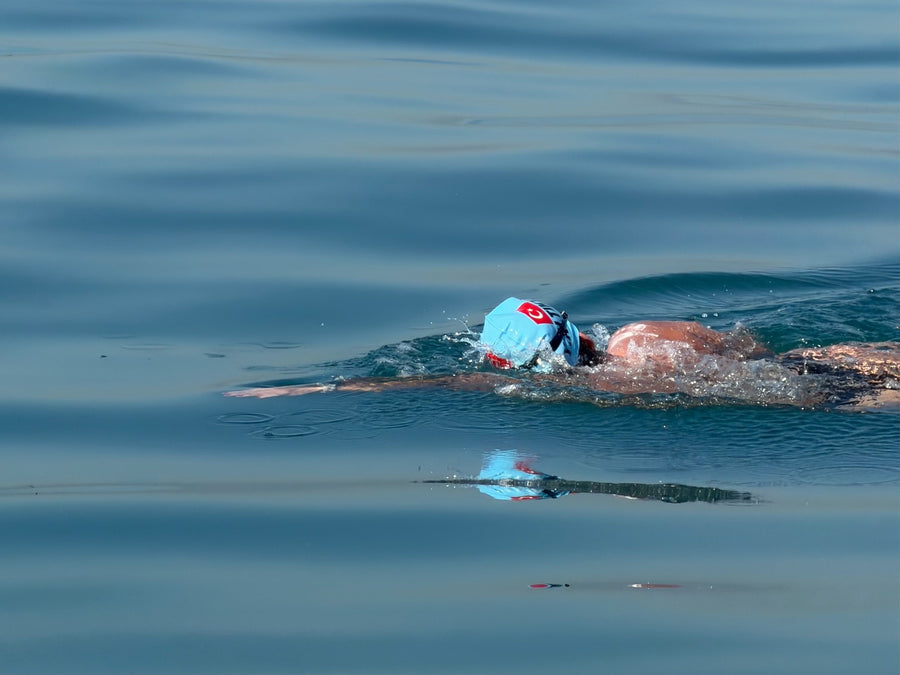
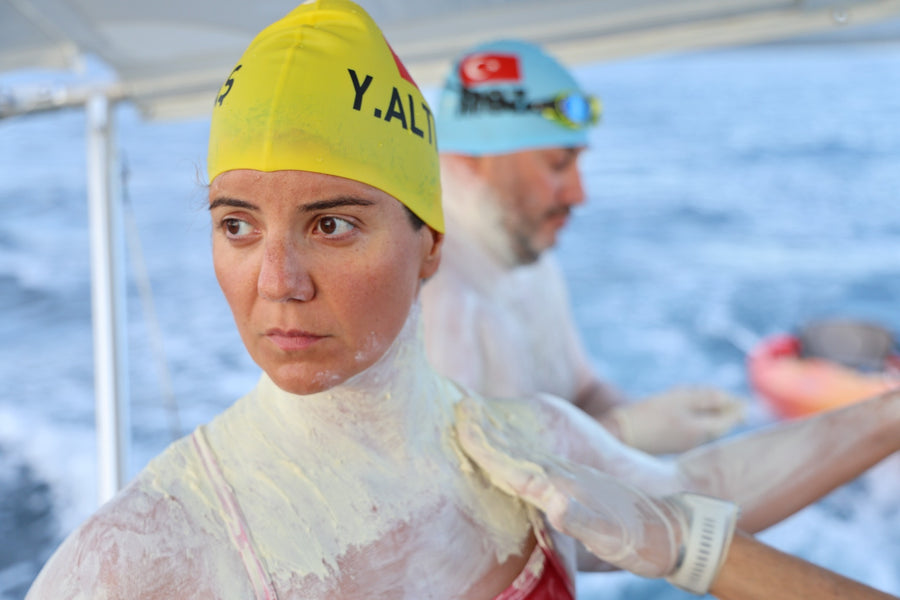
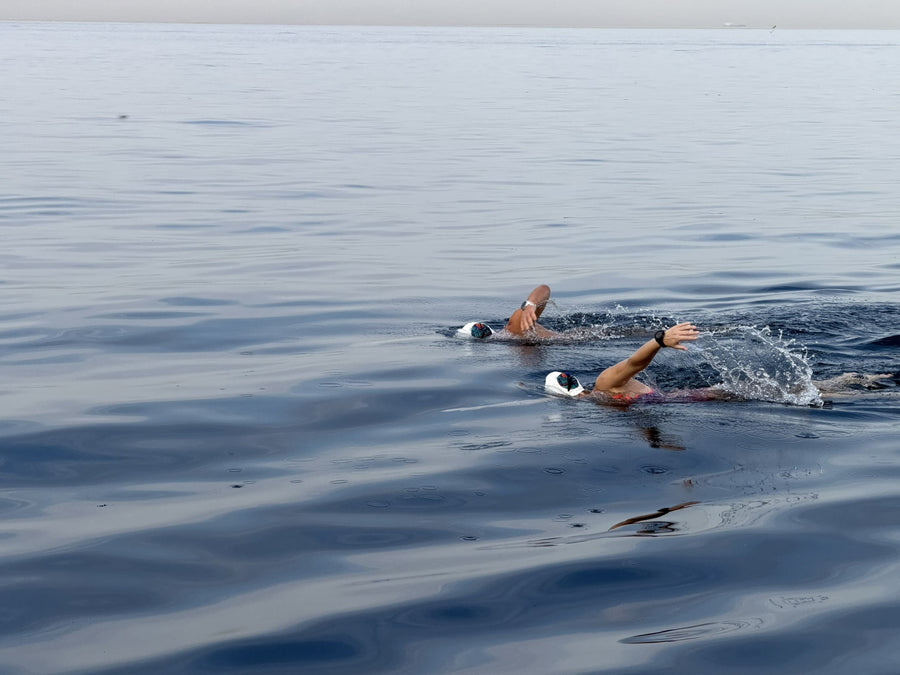
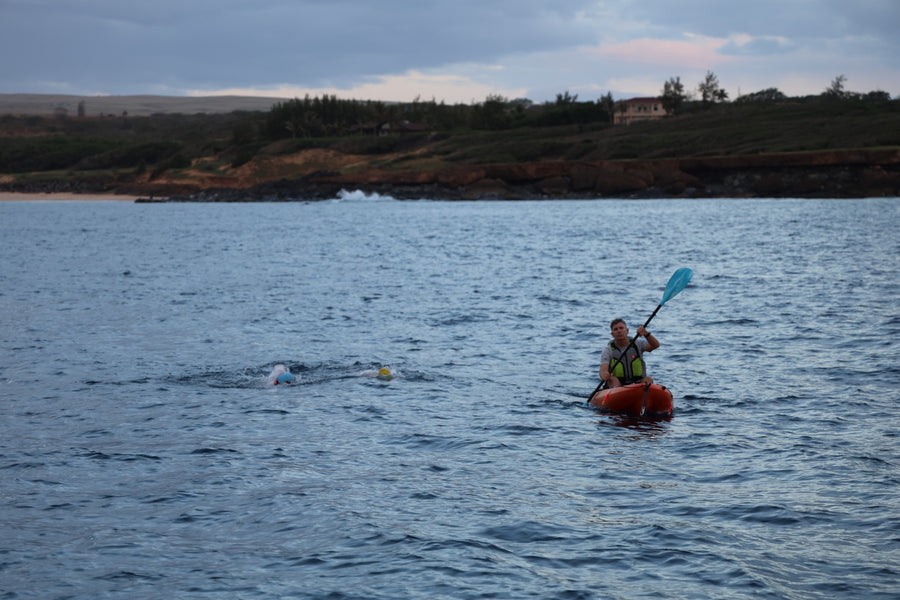
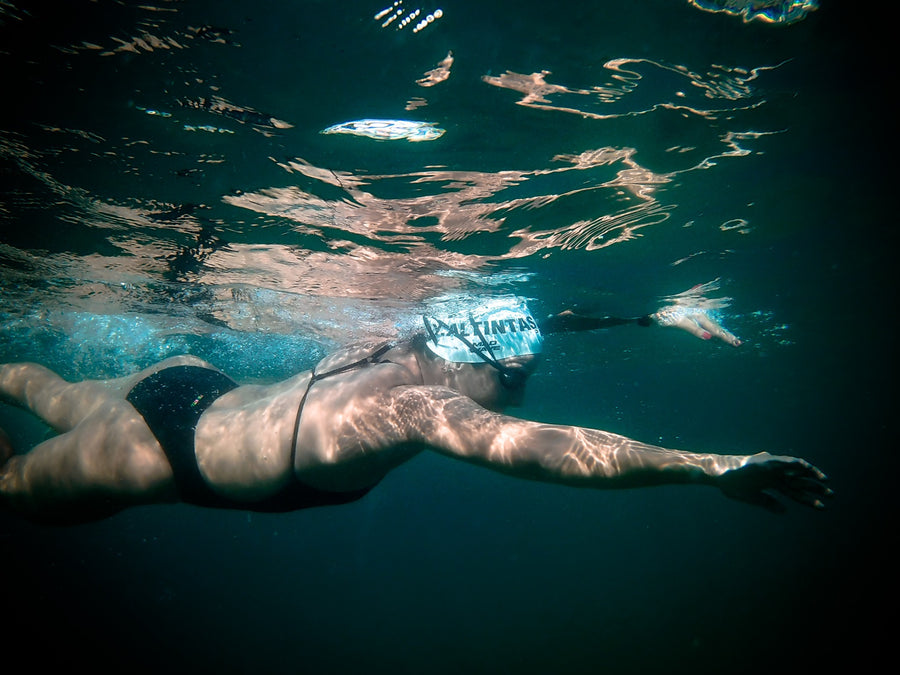
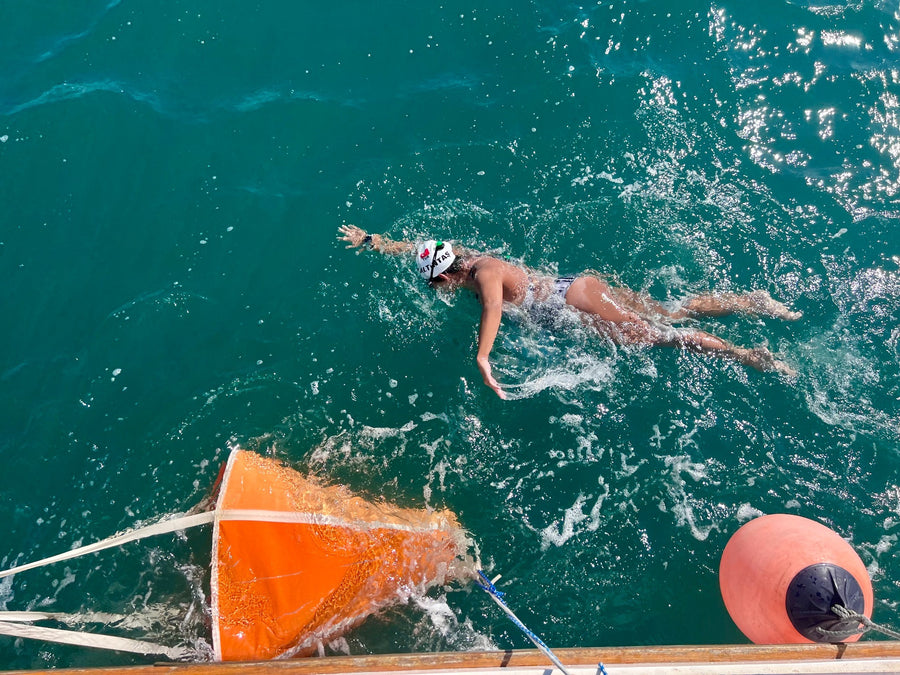
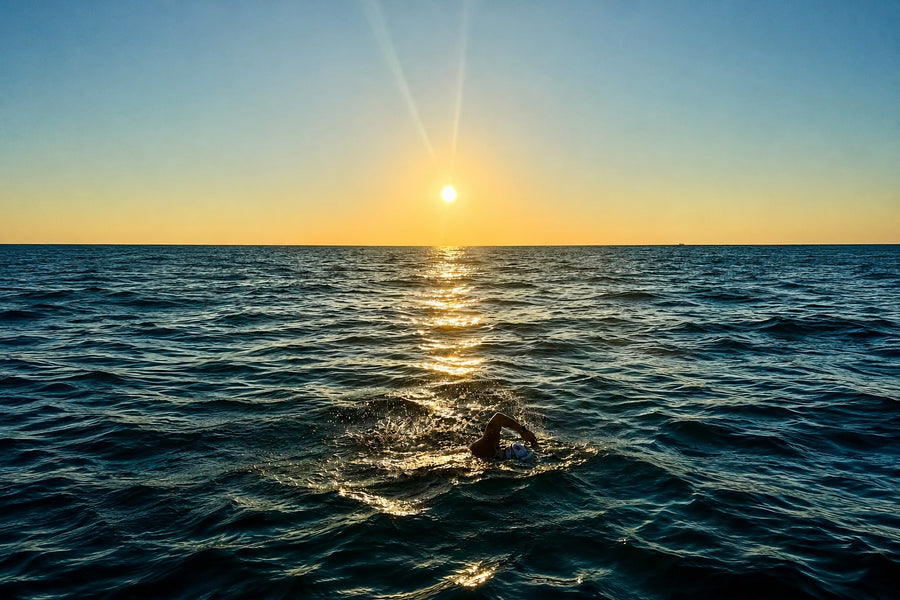
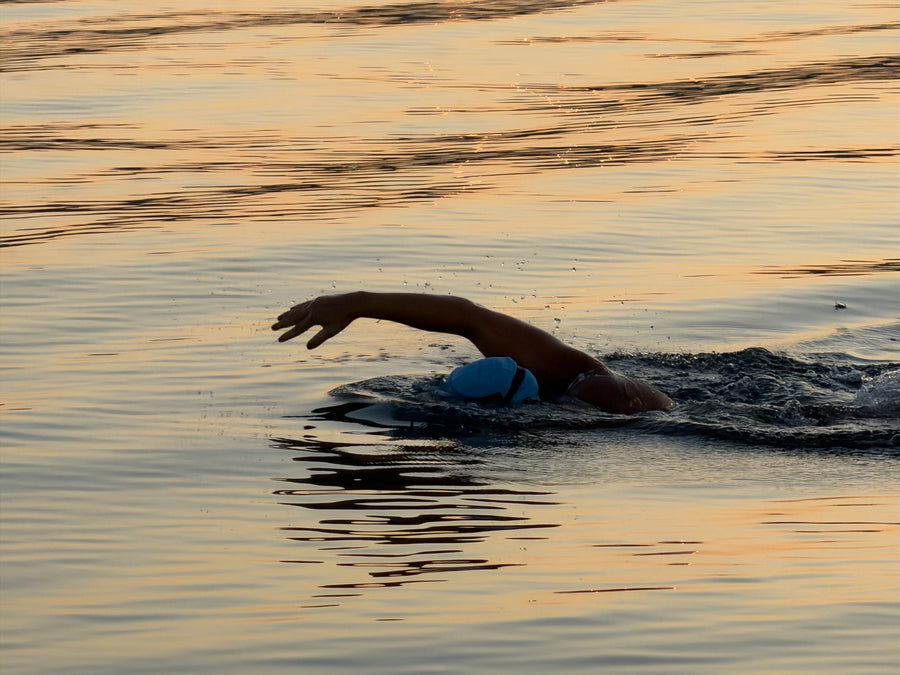
Long open-water swims: This is where the priorities shift. Goggles need to stay on your face for hours, keep water out and avoid a growing sense of pressure. Seal design, adjustability and the way they fit your face become particularly important.
The right goggles for 50 metres may not be the right goggles for ten hours.
What should you look for?
- Fit: The seal should make even contact around your eyes. If you need to pull the strap extremely tight to stop leaks, the goggles may not be right for your face.
- Nose bridge: The distance between the lenses needs to suit your face. Interchangeable bridges can help you find a better fit and reduce leaking and pressure.
- Seal design: There is a real difference between a traditional suction-style seal and designs that aim to spread pressure more gently.
- Strap adjustment: Being able to adjust the strap easily matters, particularly when you are already out in open water.
- Field of view and lens tint: A wide field of view helps with navigation. Dark or mirrored lenses can be useful in bright sunshine; lighter lenses may be a better choice in low light.
A different approach to long-swim comfort: S&P Basilisk
The S&P Basilisk takes a different approach to keeping swimmers comfortable for longer.
Where traditional goggles generally rely on suction between the seal and your face, the Basilisk uses patented, double-walled silicone seals with air inside them.
These air cushions adapt to the shape of your face, creating soft, watertight contact without needing to overtighten the straps to hold the goggles in place.
That is the difference at the heart of the Basilisk: it is designed for hours of comfort without the uncomfortable suction pressure and pronounced post-swim marks associated with traditional goggles.
Three interchangeable nose-bridge sizes and easy-to-adjust strap buckles also help you find a fit that suits your face.
Of course, every face is different. But for swimmers spending hours in goggles, the real innovation is more than a softer material. It is a rethink of how the goggles keep water out.
Ultimately, good goggles are the ones that suit both your face and your swim.
For pool racing, that means stability. For everyday training, balance. For long open-water swims, comfort you can sustain for hours.
The right goggles are the ones you can spend the least time thinking about while you swim.