For many of us, going for a swim in the sea feels entirely ordinary. Summer arrives and we head to the beach, plan where to swim on holiday and check the water temperature.
But going into the sea for pleasure isn't as old a habit as we might think.
The sea wasn't always a place for leisure
People have lived closely with the sea for thousands of years. Fishing, trade, transport and livelihoods made it central to everyday life. Swimming, too, was known and practised in antiquity.
Travelling to the coast specifically to swim, relax or sunbathe became widespread much later.
From the 18th century onwards, sea bathing in Europe became associated with health. In Britain in particular, doctors recommended seawater and sea air for various ailments. Many of those claims wouldn't meet today's scientific standards, but they helped change how people viewed the sea.
Coastal towns such as Brighton and Scarborough became destinations for sea bathing.
Even getting into the sea was a ritual
In the 18th and 19th centuries, going into the sea wasn't the free and easy experience it can be today.
Wheeled cabins known as bathing machines, used particularly in Britain, let people change their clothes and enter the water away from public view.
Men and women sometimes had separate bathing areas, while social conventions shaped what people wore and how they behaved.
A trip to the sea didn't simply mean putting on a swimsuit and jumping in.
The sea has been part of our lives for thousands of years. Going there simply for pleasure is a much more recent habit.
Holiday culture changed our relationship with the sea
In the 19th century, the expansion of railways made coastal towns easier to reach. More people began visiting the seaside for day trips and holidays.
In the 20th century, wider access to paid leave, better transport and the growing popularity of beach culture brought seaside holidays within reach of far more people.
What people wanted from the sea changed, too. Sea bathing for health gradually became intertwined with swimming, sunbathing, sport and social life.
In Türkiye, particularly during the 20th century, beaches along Istanbul's shores in places such as Florya, Moda and Suadiye became important gathering places in city life. In later decades, tourism along the Aegean and Mediterranean coasts made seaside holidays a much more widespread tradition.
What is our relationship with the sea today?
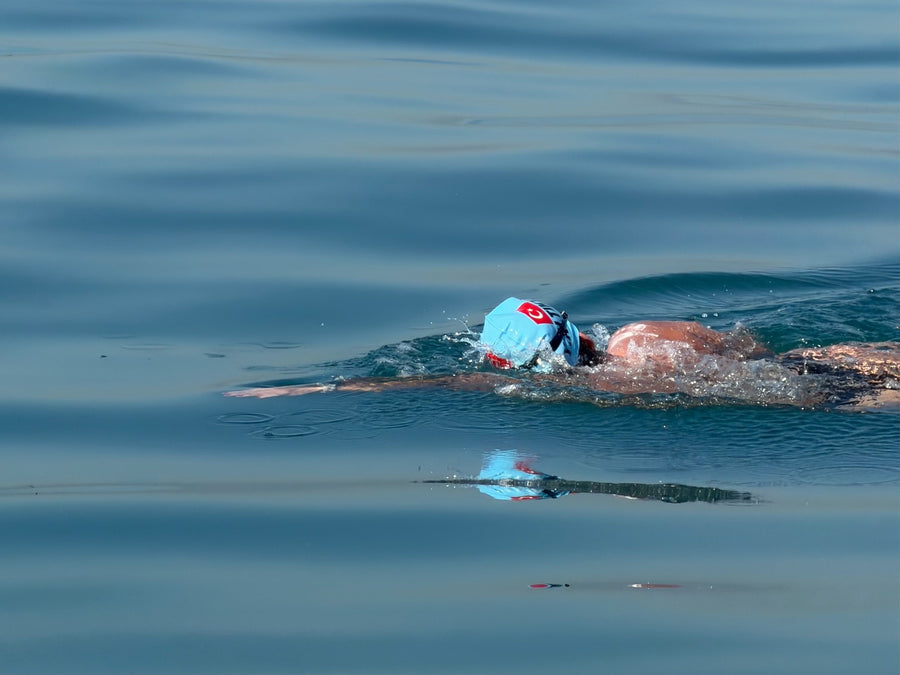
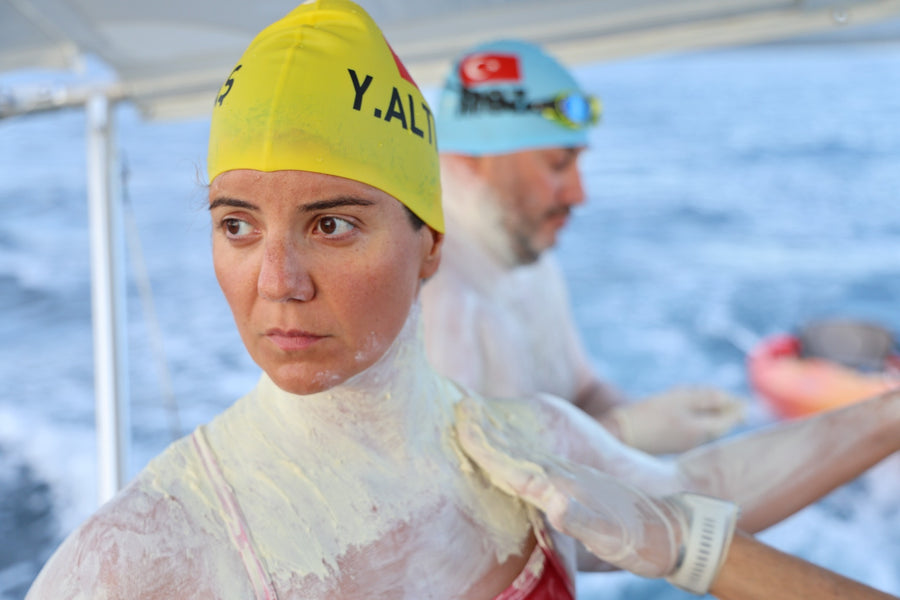
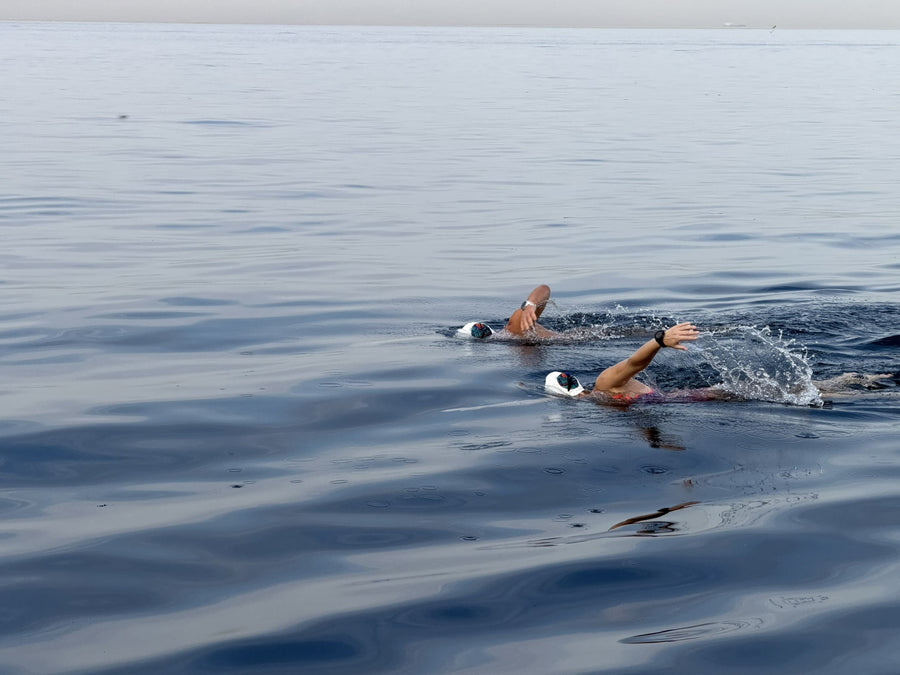
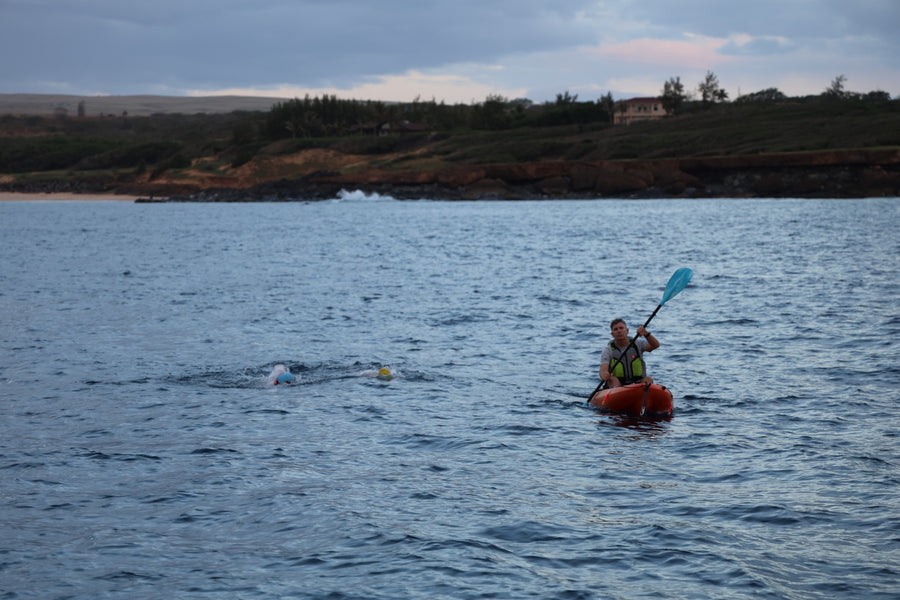
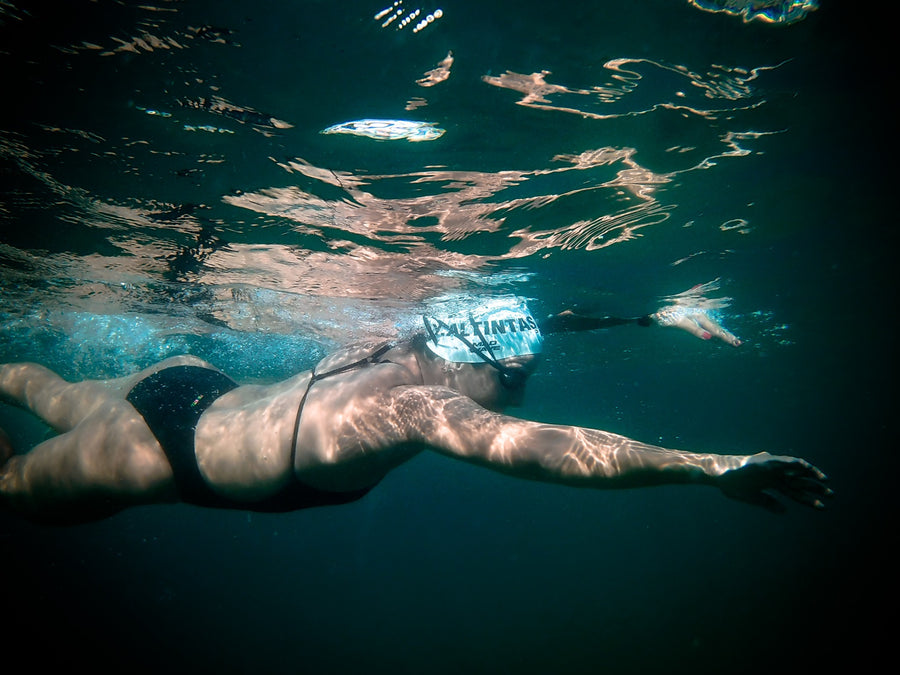
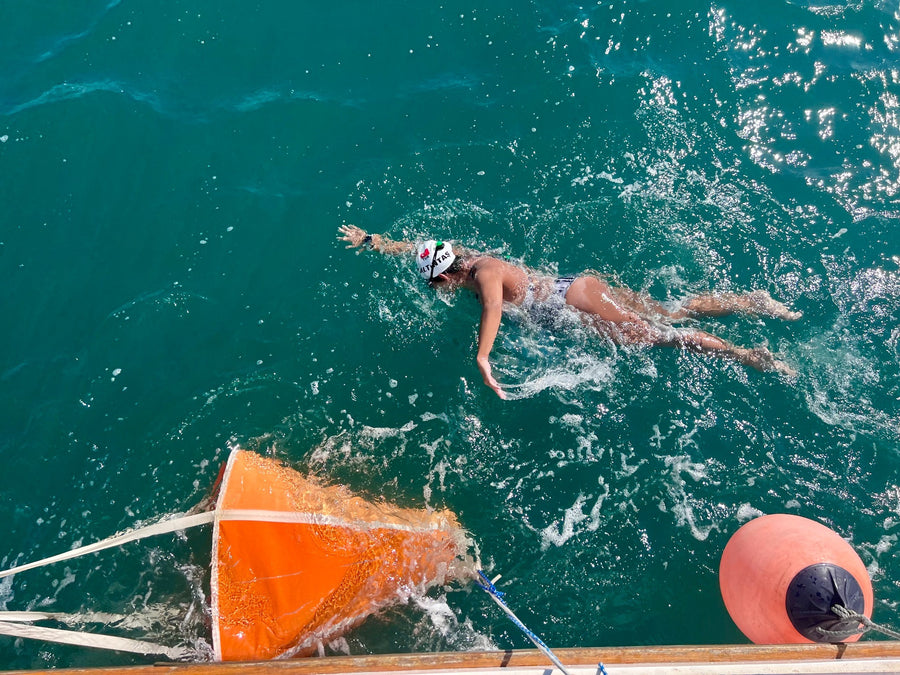
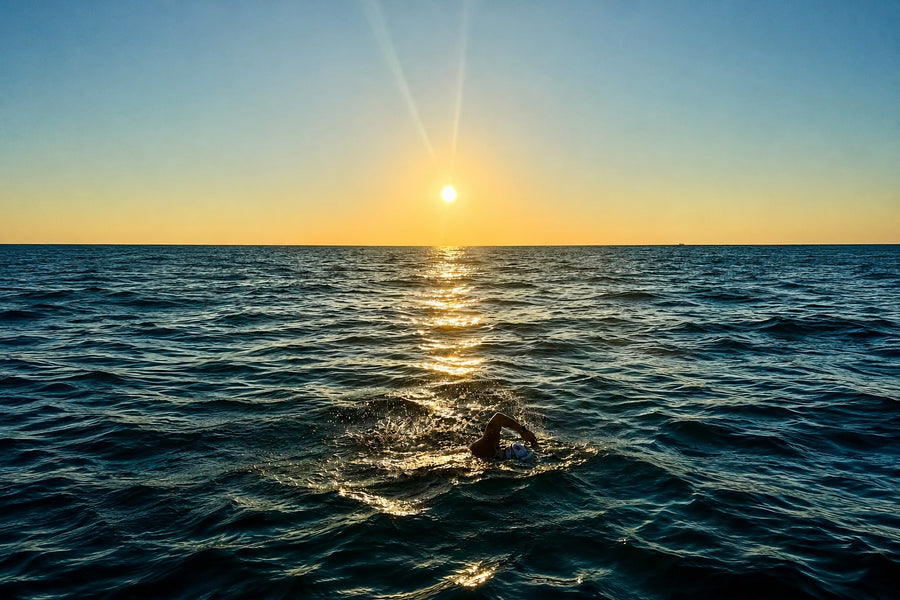
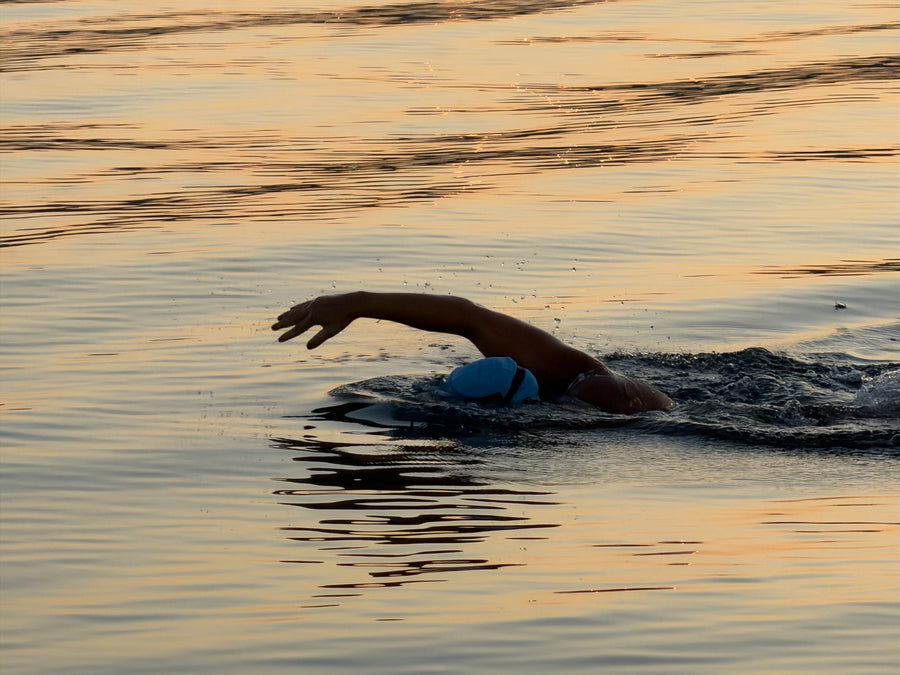
Today, the sea is part of more than our summer holidays. Open-water swimming, surfing, sailing and other water sports bring it into our lives in different ways throughout the year.
A growing, increasingly visible community doesn't wait for summer to get in the water or see the coast only as a holiday destination.
Our relationship with the sea keeps evolving. Once a source of livelihoods, a transport route or a health ritual, it is now part of sport, social life and everyday routines for many people.